School profile / Pattaya
Lovell International School
A Naklua primary school blending British learning with school-described Reggio Emilia inspiration, projects and Forest School elements. Provision ends after Year 6, making secondary placement a separate step.
At a glance
- Tuition
- ฿351,000–฿599,000 a year2026/27; checked 10 October 2026. Fee table
- Ages & grades
- 2-11
- Curriculum
- BritishEYFS + KS1–2
- Location
- Naklua, Pattaya, Chonburi
- Boarding
- No boarding listed
Provision source: OPEC school record 1120700014
For parents
Where the school is
ค่าเทอม Lovell International School ปีการศึกษา 2569 (2026/27) เท่าไร?
ค่าเล่าเรียนปีการศึกษา 2026/27 อยู่ที่ 351,000–599,000 บาทต่อปี แล้วแต่ระดับชั้น ตามตารางค่าเล่าเรียนบนเว็บไซต์ของโรงเรียน (ตรวจสอบเมื่อ 14 ต.ค. 2569) ตรวจสอบค่าแรกเข้า ค่ารถรับส่ง ค่าอาหาร และค่าช่วยเหลือเพิ่มเติมแยกจากค่าเล่าเรียน
Open: the school’s own website shows its 2026/27 calendar (checked 14 October 2026).
The experience
Learning and school life
Curriculum and Year 7 transition
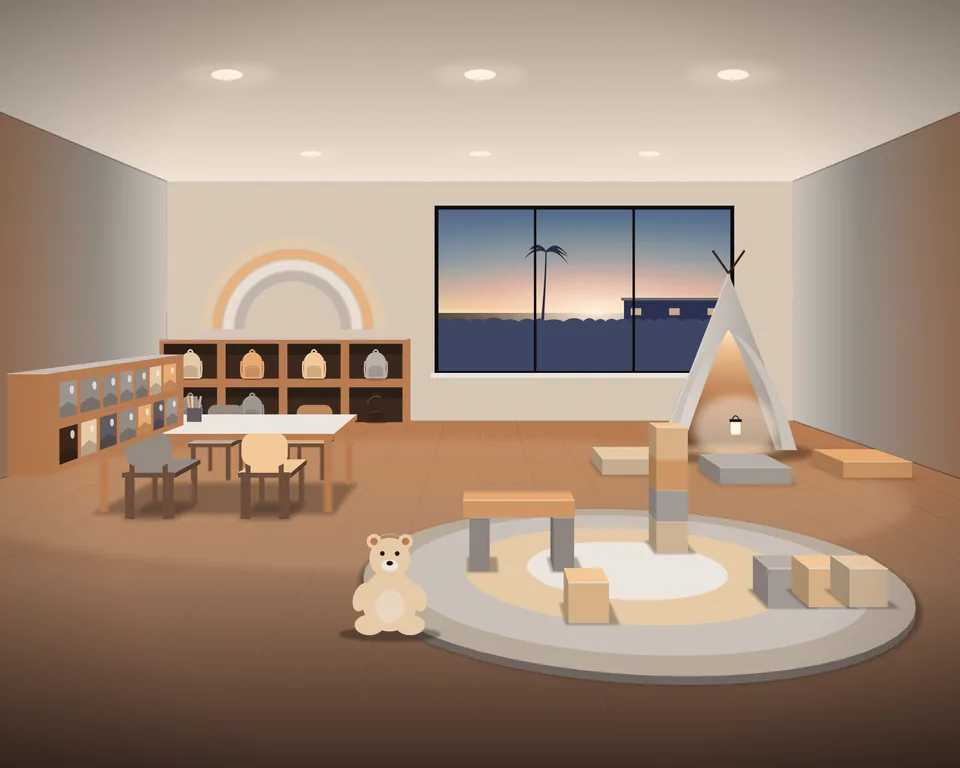
Lovell describes British EYFS and primary learning with Reggio Emilia inspiration, project-led work and Forest School elements. The campus serves through Year 6, so every family should plan the next placement before accepting the first.
More detail
A child moving to Year 7 may apply to a British secondary, another international framework or a Thai programme, each with different assessment and language expectations. Request Lovell’s current Year 6 destinations, transfer timeline, records supplied, entrance-test preparation and whether pupils have entered the family’s likely next schools without repeating a year. A warm primary environment is valuable, but the transition is part of its full cost.
Learning and Year 7 transition
Lovell describes play, inquiry, projects and outdoor learning, and its published provision ends before secondary school. Ask for the child’s daily timetable, literacy and mathematics progression, assessment reports and support arrangements. Request transfer records and discuss the later school move early.
The fee picture
Costs
Published 2026/27 annual tuition from half-day Pre-Nursery through Years 5–6. Confirm the child-specific year-group total.
Cost source. Official admission page
Fee details
The fee image was rendered and checked again on 29 July 2026. Its link and upload filename say “Tuition fees 2026”; the document itself states 2026/2027 Academic Year, which is the year used here.
The school’s 2026-27 fee policy, checked 10 October 2026, confirms the same amounts. It gives 5% off tuition for each later sibling and 50% off their registration fee, and 3% off when the year’s tuition is paid in full. Late payment costs ฿200 a day; card payments add 1.5% (Thai cards) or 3% (international cards).
| Level / charge | Annual amount | Notes |
|---|---|---|
| Pre-Nursery half / full day | ฿351K / ฿433K | Different attendance structures |
| Nursery / Reception | ฿454K / ฿505K | Three terms |
| Years 1–2 | ฿577K | Meals included |
| Years 3–4 | ฿588K | Meals included |
| Years 5–6 | ฿599K | Top of current range |
| Application / registration | ฿5K / ฿100K | One-time, non-refundable, non-transferable |
| Uniform / clubs | Excluded · unpriced | Club fees vary |
Tuition, attendance and included meals
Published annual tuition is ฿351,000 for half-day Pre-Nursery, ฿433,000 for full-day Pre-Nursery, ฿454,000 for Nursery, ฿505,000 for Reception, ฿577,000 in Years 1–2, ฿588,000 in Years 3–4 and ฿599,000 in Years 5–6. The schedule uses three terms and includes snack, milk and lunch. Confirm early-years attendance hours and term deadlines for the intended place.
Entry charges and missing prices
Application is ฿5,000 and registration is ฿100,000, each described as one-time, non-refundable and non-transferable. Uniform is excluded; after-school club fees vary. The schedule does not price transport, books, trips, external exams, deposits, devices or additional learning and language support. Request an itemised offer marking each line included, compulsory or optional.
Planning a visit
Visit and admissions
Location and practical details
- Address
- 159 Soi Naklua 16/1, Naklua, North Pattaya
Arrange a visit
Naklua location can reduce travel for north-Pattaya families
The official address is 159 Soi Naklua 16/1 in North Pattaya. For a family living in Naklua or nearby Wongamat, that city location can be materially easier than an inland Banglamung, Ban Chang or Rayong commute. The current fee schedule does not publish transport prices, routes or coverage.
More detail
Families south of central Pattaya should test the cross-city school run at the real arrival and dismissal times. Ask whether the school operates its own service, how long the proposed route takes, what happens after clubs, and whether a young child is accompanied by an adult on the vehicle.
Term dates 2026/27
- Term 1: 25 August 2026 to 11 December 2026
- Term 2: 4 January 2027 to 2 April 2027
- Term 3: 20 April 2027 to 25 June 2027
School calendar, re-read 14 October 2026. Schools can move dates; confirm before booking travel.
Accreditation, checked at the source
We found no accreditation claim on this school’s website that an awarding body could confirm on 14 October 2026. Ask the school which inspections or memberships apply and for the certificate.
Confirmed means we read it on the awarding body’s or government’s own page on 14 October 2026. The Cambridge International, CIS, ISAT and COBIS search directories could not be reopened that day, so listings found only there are not shown.
Official channels
- Website: lovellschool.ac.th
- Facebook: Lovell on Facebook
- Instagram: Lovell on Instagram
- YouTube: Lovell on YouTube
Profiles linked from the school’s own website, checked 14 October 2026. Links only; nothing is embedded.
For your conversation
Questions to ask
- What is the full first-year cost?Get tuition, entry charges, transport, support and refund terms in writing.
- What will my child study?Request the current timetable and qualification route for the intended year.
- How would the journey work?Test the route from home at arrival and collection times.
- What support is available?Ask for the grade timetable, class size and available language or learning support, including any separate charge.
Does Lovell offer secondary school?
No — Lovell International School is primary-focused (ages 2-11). Families need a separate Year 7 placement; ask Lovell for current destinations, transfer records and the application timeline.
Evidence and dates
Sources and dates
- Admission + feesOfficial admission page
- 2026/27 fee imageLovell tuition fees
- 2026-27 fee policyLovell 2026-2027 tuition fee policy
- Current calendarOfficial 2026/27 calendar
- School factsOfficial Lovell site
- RegistrationOPEC school record 1120700014
Published by TIMPAEMI CO., LTD. See a newer school source or a mismatch?
Suggest a correctionWhere to go next